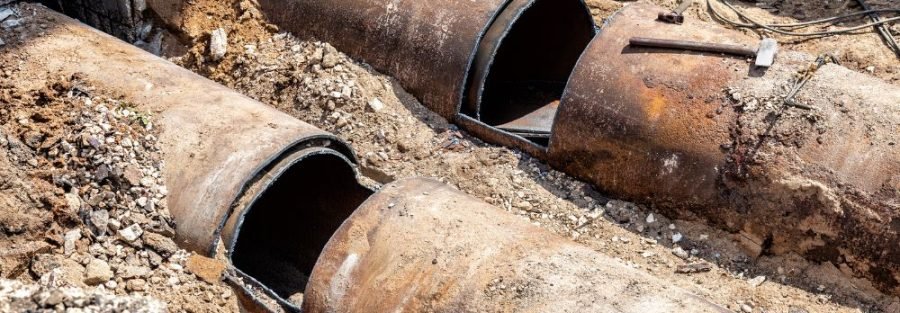
Pipelines are essential for moving crucial resources like oil, gas, and water across vast distances. However, their condition can be impacted by several factors, potentially leading to failures and environmental risks.
This blog will dive into what affects pipeline health and why regular monitoring and upkeep are essential.
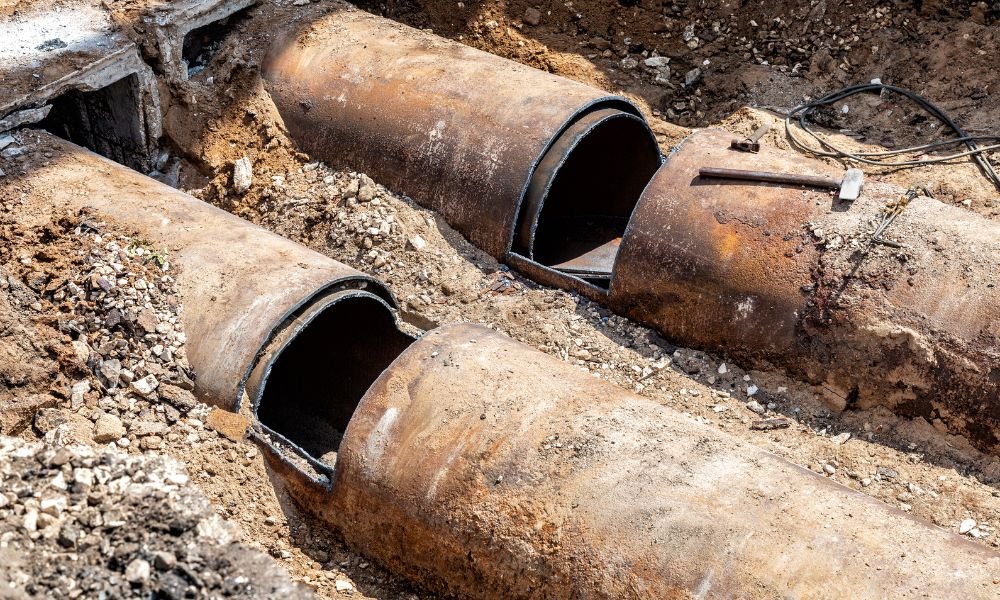
What Impacts Pipeline Condition?
- Corrosion: Both internal and external corrosion can weaken pipelines, causing leaks and breaks. Corrosion can be influenced by soil chemistry, moisture levels, and microorganisms.
- Age and Wear: Over time, pipelines experience wear and tear due to continuous pressure, flow, and environmental conditions.
- Soil and Geology: Shifts in soil stability, earthquakes, and ground movements can damage pipelines.
- Water and Moisture: Water ingress, condensation, and flooding can lead to corrosion and other damage.
- Temperature Extremes: Extreme temperatures can cause pipelines to degrade and crack.
- Microbiologically Influenced Corrosion (MIC): Microorganisms in soil and water can speed up corrosion.
- Human Error: Mistakes during installation, maintenance, or repair can harm pipeline integrity.
- Third-Party Damage: Construction activities, excavation, and other external actions can damage pipelines.
How to Prevent Pipeline Issues
- Regular Inspections: Use methods like ROV, ART, and data analysis to spot potential problems early.
- Cathodic Protection: Apply protective currents to combat corrosion.
- Coatings and Linings: Use protective coatings and linings to prevent corrosion.
- Water Management: Set up systems to control water ingress.
- Temperature Control: Insulate and regulate temperatures to protect pipelines from extreme temperatures.
- MIC Prevention: Employ biocides, coatings, and other strategies to avoid MIC.
- Proper Installation and Maintenance: Ensure correct practices for installation, upkeep, and repair.
- Prevent Third-Party Damage: Implement detection systems and work with excavators to avoid damage.
- Material Selection: Choose the right materials for your specific environment.
- Training and Education: Train staff on best practices for maintenance, inspection, and repairs.
Conclusion
Regular inspections, monitoring, and maintenance are vital to protect pipelines and ensure their longevity. Advanced technologies like ROV, ART, and data analysis play a key role in identifying issues before they escalate.
By understanding what affects pipeline health, we can focus on safety, prevent environmental disasters, and extend the life of these critical infrastructure systems.
For expert assistance in optimizing your pipeline conditions, partner with CorroSafe.