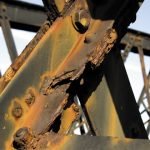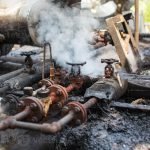
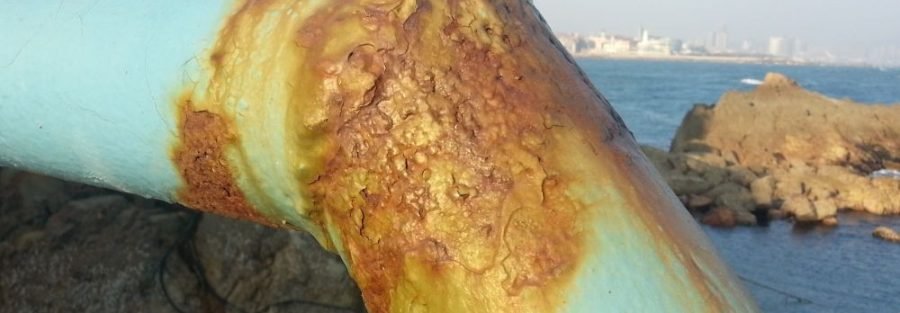
Atmospheric corrosion happens when materials wear down due to their environment. Industries with outdoor operations, like construction, transportation, and energy, are especially at risk. This article explores the causes, effects, and ways to prevent atmospheric corrosion.
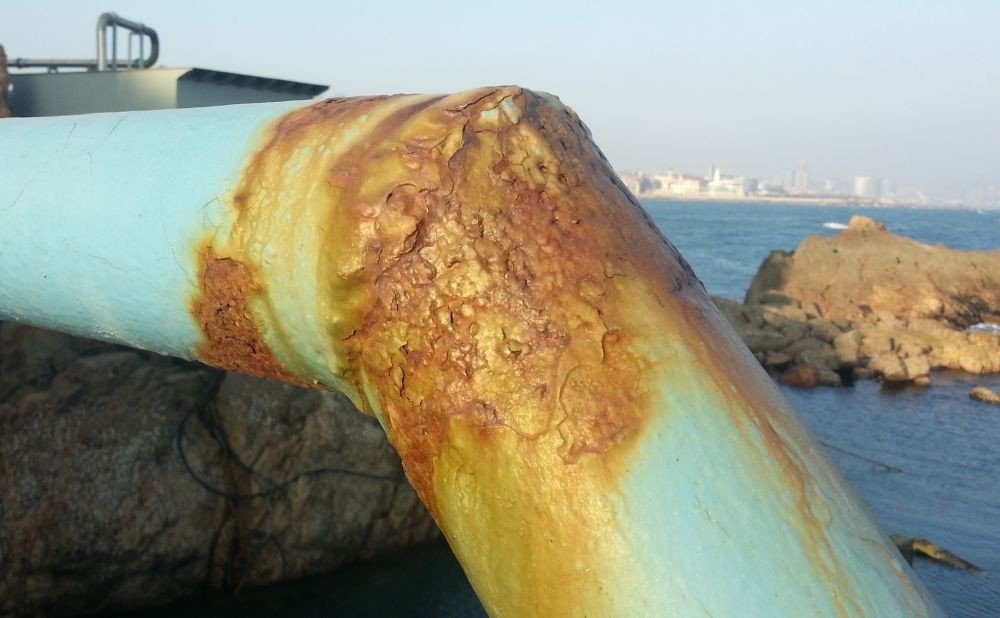
What Causes Atmospheric Corrosion?
- Moisture: Water from rain, snow, humidity, or condensation is a major cause of atmospheric corrosion.
- Pollutants: Airborne pollutants like sulfur dioxide, nitrogen oxides, and particulate matter can speed up corrosion.
- Temperature: Temperature changes, especially in coastal areas, can worsen corrosion.
- Wind: Wind spreads corrosive substances, making the corrosion process faster.
The Impact of Atmospheric Corrosion
- Structural Damage: Corrosion can weaken buildings, bridges, and other important structures.
- Equipment Breakdown: Corrosion can cause equipment to fail, leading to expensive repairs and downtime.
- Safety Hazards: Corrosion poses safety risks to people and the environment.
- Financial Losses: The cost of dealing with corrosion includes repair, replacement, and maintenance expenses.
How to Prevent Atmospheric Corrosion
Choose the Right Materials: Select materials that resist corrosion naturally.
- Use Protective Coatings: Apply paint, varnish, or wax to protect surfaces from corrosive elements.
- Cathodic Protection: Use an electric current to slow down the corrosion process.
- Regular Maintenance: Clean, inspect, and maintain regularly to catch and prevent corrosion early.
- Control the Environment: Manage factors like humidity, temperature, and air quality to reduce corrosion risks.
Understanding atmospheric corrosion helps industries take steps to protect their assets. By preventing corrosion, businesses can ensure safety, durability, and cost savings.
If you’re dealing with atmospheric corrosion, contact us for a consultation. At CorroSafe Consultant, our experts can assess your situation, diagnose the problem, and recommend customized solutions.