
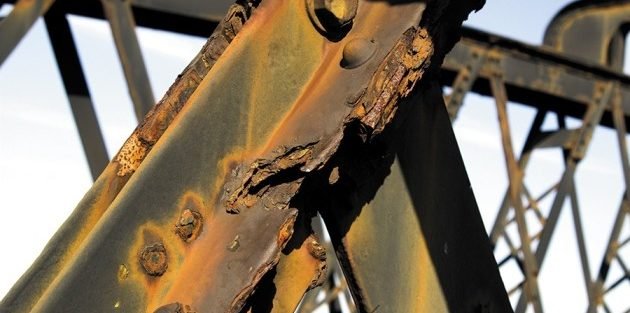
Selecting the right materials is a key factor in the design and operation of chemical process plants. The materials you choose affect safety, reliability, efficiency, and environmental impact.
Picking the wrong materials can lead to dangerous accidents, costly downtime, and environmental harm. Let’s explore why material selection is so important and how to make informed choices.
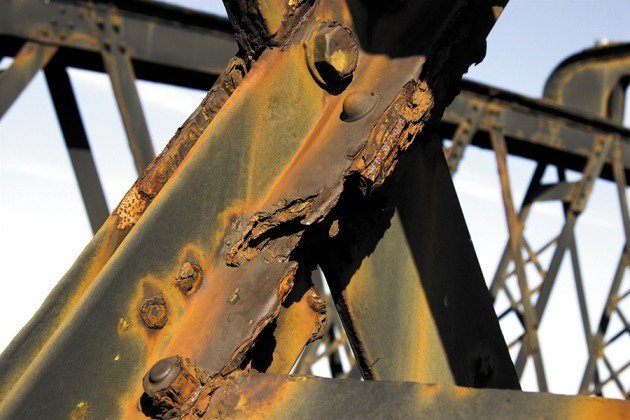
Why Choosing the Right Materials is Essential
- Safety First: Materials need to withstand the corrosive substances and harsh environments in the plant to prevent accidents that could harm workers and nearby communities.
- Reliable Operations: Durable materials ensure the plant runs smoothly with minimal downtime due to equipment failures.
- Boosting Efficiency: The right materials enhance performance factors like heat transfer and pressure resistance, leading to better efficiency and resource use.
- Environmental Responsibility: Selecting eco-friendly materials helps support sustainable operations and reduces the plant’s environmental footprint.
Key Factors in Material Selection
- Corrosion Resistance: Materials must resist damage from exposure to corrosive chemicals.
- Chemical Compatibility: Ensure materials are compatible with the chemicals being processed to avoid dangerous reactions.
- High-Temperature Resistance: Materials should maintain their integrity and performance at high temperatures.
- Pressure Resistance: Materials must handle the pressures within the equipment to prevent leaks or failures.
- Wear and Abrasion Resistance: In areas with friction or mechanical wear, materials need to resist these forces.
- Cost-Effectiveness: Balance performance needs with budget constraints when selecting materials.
- Regulatory Compliance: Materials must meet industry standards and regulations for safety and legality.
- Scalability and Flexibility: Materials should adapt to changes in process conditions or future plant expansions.
- Environmental Impact: Consider the environmental effects of materials throughout their lifecycle, from production to disposal.
- Availability: Ensure materials are available in the necessary quantities and specifications.
- Interoperability: Materials should be compatible with each other to avoid adverse interactions.
- Data Availability: Sometimes, limited information on material performance in specific environments can be a challenge.
- Process Complexity: The complexity of chemical processes may require careful material selection to handle unexpected conditions.
- Material Interactions: Consider interactions between different materials, like galvanic corrosion.
Best Practices for Material Selection
- Work with Experts: Involve experts in materials science, engineering, and chemistry for a thorough evaluation.
- Research and Testing: Conduct detailed research on material properties and test their suitability.
- Consider Multiple Options: Evaluate various materials to find the best match for performance and cost.
- Assess Performance Under Different Conditions: Test materials under various operating conditions, including temperature, pressure, and chemical exposure.
- Tailor to Specific Needs: Choose materials based on the unique requirements of your chemical process and operating environment.
- Regular Monitoring: Continuously monitor material performance and review selection criteria to improve over time.
Final Thoughts
Choosing the right materials is a complex but vital part of designing and operating chemical process plants. By understanding its importance and following best practices, you can enhance safety, reliability, efficiency, and environmental sustainability.
If you’re facing challenges with material selection, don’t hesitate to seek expert advice. Experienced consultants can guide you through the complexities and help you make the best decisions for your plant’s success.