Many people believe stainless steel is the ultimate material for resisting corrosion, but that’s not always true. While it has many benefits, it’s not a universal solution. Let’s dive into the downsides of stainless steel and why it might not be the best option for every project.
The Hidden Costs of Stainless Steel
- High Price: Stainless steel is often more expensive than other materials.
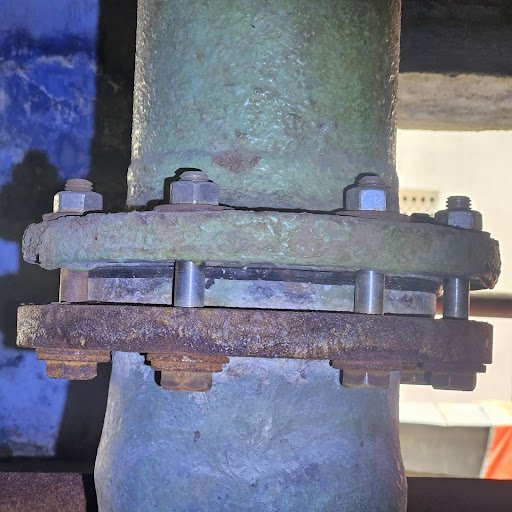
- Limited Corrosion Resistance: It’s not resistant to all types of corrosion, such as pitting, crevice corrosion, and stress corrosion cracking.
- Lower Strength and Hardness: Compared to carbon steel or titanium, stainless steel isn’t as strong or hard.
- Magnetic Issues: Some grades of stainless steel aren’t magnetic, which can be a problem for certain uses.
- Poor Heat Transfer: Materials like copper or aluminum transfer heat better than stainless steel.
- Difficult to Fabricate: Shaping stainless steel, especially into complex forms or thin sheets, can be tricky.
- Galling and Seizing: Stainless steel can suffer from galling and seizing when in contact with other metals.
- Environmental Impact: Producing stainless steel uses a lot of energy and resources, and mining for chromium and nickel can harm the environment.
- Limited Flexibility: Some grades of stainless steel aren’t very ductile, making them unsuitable for applications requiring high flexibility.
- Specialized expertise: Working with stainless steel often needs specialized knowledge and equipment.
- High Maintenance: Stainless steel equipment needs regular cleaning and maintenance to avoid discoloration and corrosion.
- Not Very Durable: It can scratch and dent more easily than other types of steel.
- Energy Inefficient: Stainless steel machinery uses a lot of energy and isn’t easy to recycle.
Comparing Costs: Mild Steel vs. Stainless Steel
When comparing prices, mild steel is generally about 30% cheaper than stainless steel. If you’re looking for a cost-effective material for construction, mild steel might be a better option.
Where Stainless Steel Falls Short
Stainless steel isn’t suitable for every environment. Here are some scenarios where it might not work well:
- Chlorine or Chloride-Rich Areas: These can cause pitting and crevice corrosion.
- High-Temperature Situations: Above 800°F (427°C), stainless steel can lose its corrosion resistance.
- Extremely Low Temperatures: Below -200°F (-129°C), stainless steel can become brittle.
- High Humidity: This can lead to condensation and corrosion.
- Acidic Conditions: Certain acids, like hydrochloric or sulfuric acid, can corrode stainless steel.
- Saltwater Environments: These can cause pitting and crevice corrosion.
- Bromine or Bromide Presence: These can lead to corrosion.
- High-Velocity Fluids: These can cause erosion corrosion.
- Abrasive Conditions: Grit and abrasives can wear down stainless steel.
How to Overcome Stainless Steel’s Limitations
- Use Coatings or Linings: Apply protective coatings to the stainless steel surface.
- Choose Alternative Materials: Consider using titanium, nickel alloys, or specialized stainless steels.
- Control the Environment: Reduce humidity, temperature, or chemical exposure.
- Apply Surface Treatments: Use treatments like passivation or electropolishing to improve corrosion resistance.
Final Thoughts: Stainless Steel is Not Always the Answer
While stainless steel is a valuable material, it’s not the perfect fit for every situation. By understanding its limitations and considering other materials, engineers and designers can make better choices for their projects.
Always evaluate the specific needs and constraints of your project before deciding on stainless steel. Explore other options to ensure you get the best results.
Consult with CorroSafe experts to determine the best approach for your specific application.