Circulating water lines play a crucial role in industries like power generation, chemicals, and refineries. Yet, they face common issues that lead to failures, each with its unique solutions.
Unveiling Common Causes of Circulating Water Line Failures
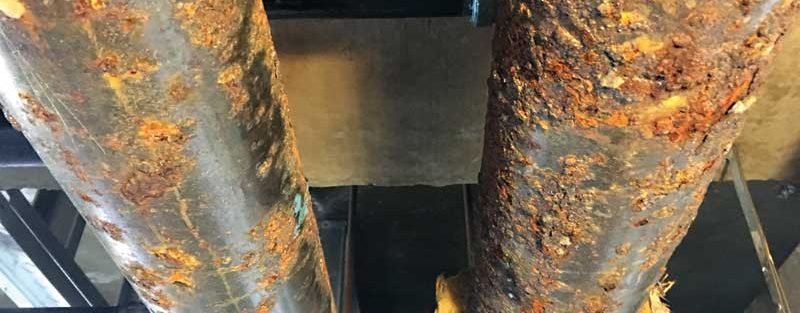
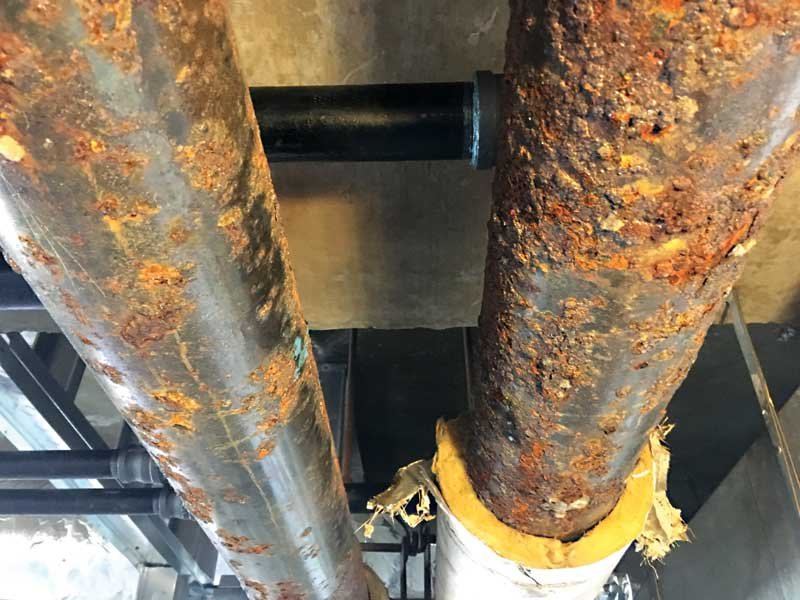
Corrosion stands as the primary culprit behind most circulating water line failures. Over time, water corrodes steel, causing leaks. To combat this, pipes are coated with immersion-grade coatings. However, factors like water purity, temperature, and pipe modifications can compromise these coatings, leading to issues.
Navigating Maintenance Challenges
Facility age and outdated maintenance practices exacerbate corrosion risks. Even newer facilities aren’t immune, with cost-cutting measures often resulting in thinner coatings that fail prematurely. Welding repairs further compromise coatings, highlighting the need for proactive inspection programs.
Overcoming Installation and Operational Hurdles
Inadequate surface preparation during coating applications and irregular maintenance practices contribute to failures. A reactive “run-to-failure” approach, rather than proactive maintenance, can escalate repair costs and operational downtime.
Addressing Water Quality and Temperature Impacts
Water impurities and temperature variations can accelerate corrosion, particularly in elbows and condensers. Microbial influences further complicate matters, necessitating tailored solutions for each application.
Seek Expert Guidance
If your circulating water lines are experiencing issues, whether due to corrosion or other factors, our experts at CorroSafe Consultancy are here to help. Contact us for a comprehensive assessment and customized solutions to safeguard your operations.