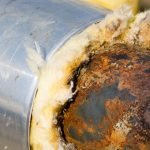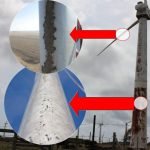
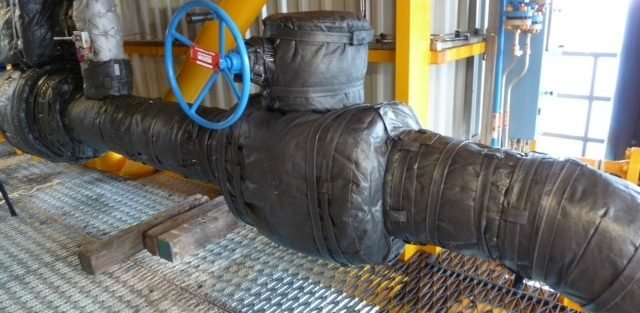
There’s a big change happening in passive fire protection (PFP), especially for high-risk industries like oil and gas. Unlike many other sectors, the oil and gas industry itself is pushing for better skills in applying and inspecting PFP to ensure quality installations.
What Does PFP Do?
PFP systems slow down how quickly heat builds up on protected structures. They do this by absorbing, reflecting, and insulating heat. They are called passive because they work without needing any external activation, like water systems. This makes them more reliable if they are installed correctly.
In high-risk places like offshore oil and gas installations, epoxy intumescent coatings are the most common type of PFP. These coatings protect steel structures from extreme heat and also prevent corrosion. When heated, they swell and form a protective layer that insulates the steel.
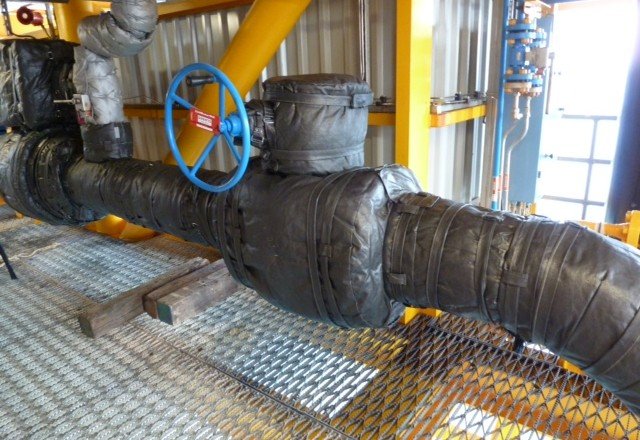
How Are PFP Coatings Applied?
Epoxy intumescent coatings are usually sprayed on using special pumps. Proper surface preparation and priming are crucial for their adhesion and durability. Sometimes, these coatings are reinforced with fiber mesh to strengthen the protective layer formed during a fire. Wire mesh might also be used, or in some cases, no reinforcement is needed. The coating thickness usually ranges from 3 mm to 20 mm.
The biggest advantage of epoxy PFP coatings is their toughness and durability. They can be applied to steel before it is erected, and they can withstand the stresses of transportation and installation in modular construction.
Why Is PFP Failing?
Recently, more PFP systems have been failing before plants even start operating. This is due to changing market dynamics.
Previously, only a few companies made epoxy PFP coatings, making it a specialized and high-margin field. These companies provided free on-site technical support to ensure correct PFP application. But now, more manufacturers have entered the market, lowering margins and increasing competition. This has led to a reduction in free technical support, and now fabricators and contractors have to pay for these services. This change has decreased the available expertise to ensure quality installations.
Additionally, treating epoxy intumescent coatings like regular paint has led to quality issues. While they may seem similar, proper PFP application requires specific skills and understanding.
The Cost of Poor PFP Installation
PFP is expensive but necessary. Keeping costs down is important, but fixing poorly applied PFP can be extremely costly. Incorrect PFP installation can cause:
- Delays in project schedules and production due to needing corrective actions.
- High costs for access, like scaffolding, especially offshore.
- Disruptions to other work areas while PFP corrections are made.
- Difficulty in removing and reinstalling PFP on-site.
Offshore maintenance is costlier than doing work at a yard, with corrosion accounting for 60% of offshore maintenance costs. Moreover, 85% of coating failures happen within 1 to 3 years, and 95% of these failures are due to:
- Wrong specification choice
- Poor surface preparation
- Poor application
- Bad climatic conditions