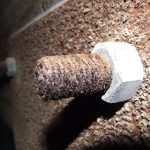
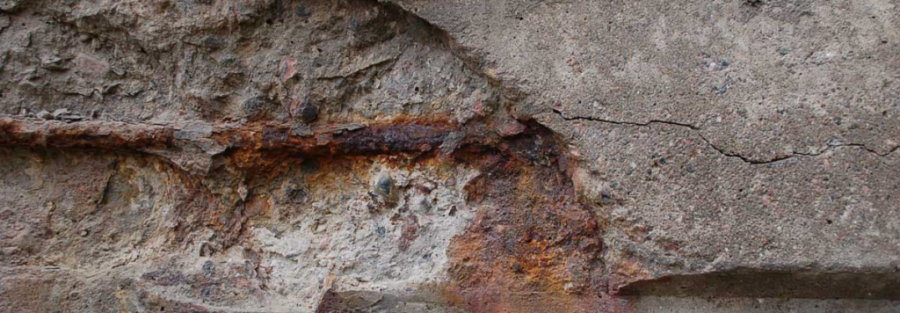
Concrete corrosion is a complex issue influenced by various factors, both internal and external. Exploring these factors is crucial for effective prevention strategies.
Key Factors Affecting Concrete Corrosion
Water-Cement Ratio
The balance between water and cement is critical for concrete strength and durability. Excess water increases permeability, allowing corrosive agents like chloride ions to reach steel reinforcements, accelerating corrosion. Maintaining the right ratio is essential to minimize this risk.
Shrinkage and Cracks
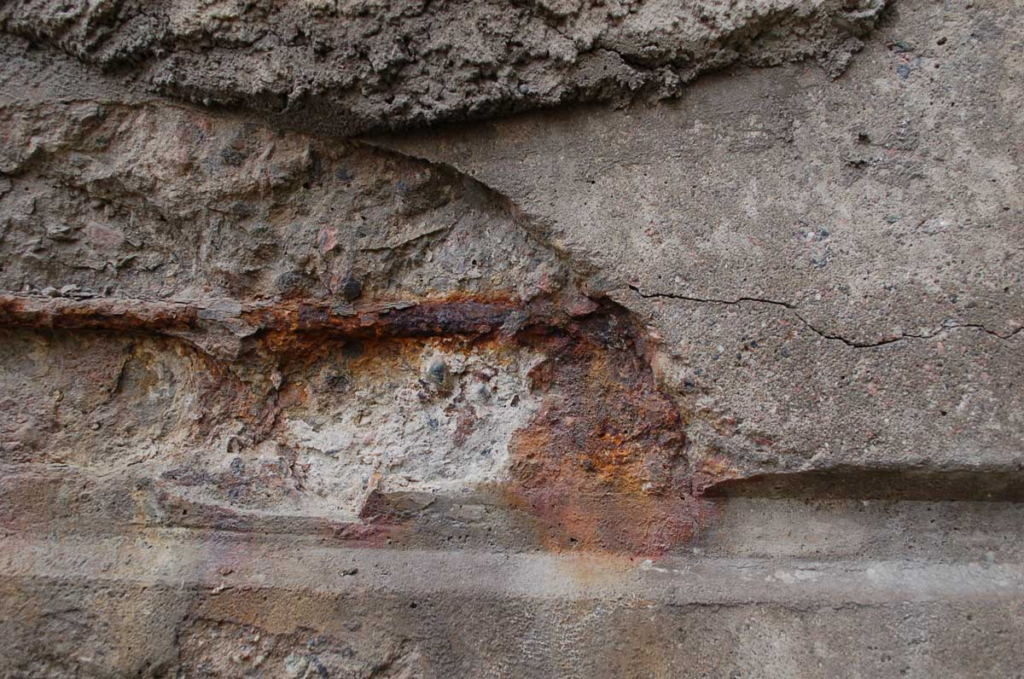
As concrete cures, it shrinks and can develop cracks. These cracks provide pathways for corrosive agents, weakening the structure and promoting corrosion onset.
Material Quality
Using high-quality aggregates and corrosion-resistant steel enhances concrete’s longevity and resistance to corrosion.
Permeability
Highly permeable concrete allows water and corrosive substances to penetrate, speeding up corrosion. Proper mix design and additives can reduce permeability, enhancing durability.
Moisture and Environmental Exposure
Moisture and exposure to water or high humidity create conditions where corrosion thrives, affecting structural integrity over time.
Concrete Strength
Proper design, mixing, curing, and placement ensure concrete strength, reducing vulnerability to damage and corrosion.
Preventing Concrete Corrosion
Preventing corrosion involves strategic construction practices, material choices, and ongoing maintenance to protect concrete structures.
Effective Prevention Strategies
Quality Concrete Construction
Using high-quality concrete, proper curing, and mix design form a strong defense against corrosion.
Epoxy Coatings
Epoxy coatings provide a protective barrier against corrosive elements, enhancing durability and aesthetics. Epoxy grout repairs and reinforces damaged concrete.
Polymeric Fibre Reinforcement
Adding polymeric fibres controls shrinkage cracking, bolstering concrete toughness and longevity.
Skilled Workmanship
Careful construction practices, like adequate reinforcement cover and compaction, minimize defects that could lead to corrosion vulnerability.
Non-Corrosive Materials
Choosing stainless steel or epoxy-coated reinforcement materials prevents corrosion in aggressive environments.
Coating Application
Regularly applying anti-corrosion paints and sealants protects concrete from external damage, requiring ongoing inspection for effectiveness.
Conclusion
Understanding and addressing factors like water-cement ratio, shrinkage, and material quality are crucial in preventing corrosion. By investing in prevention strategies such as epoxy coatings, polymeric fibres, and skilled workmanship, we ensure long-lasting and reliable concrete structures.