
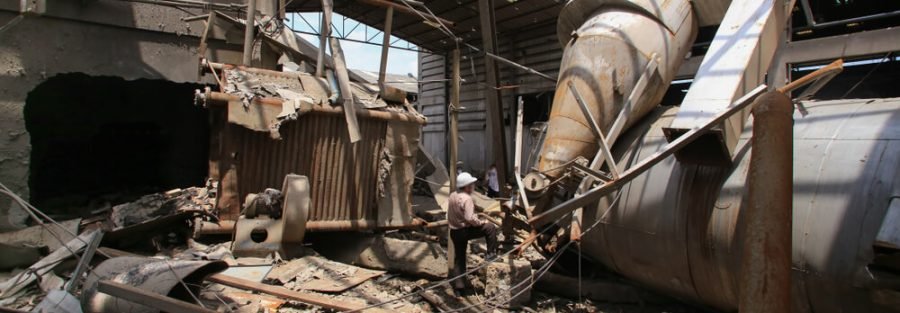
Corrosion, often referred to as the "silent destroyer," is a pervasive threat that quietly eats away at
structures, machinery, and infrastructure around the world. Despite its subtle nature, the impact of
corrosion can be catastrophic, leading to failures that result in significant economic losses,
environmental damage, and even endanger human lives. In this blog, we delve into the insidious
effects of corrosion, exploring its causes, consequences, and the importance of preventive
measures.
Understanding Corrosion:
Corrosion is a natural process that occurs when metal reacts with its environment, resulting in the
gradual deterioration of the material. This reaction is typically accelerated by factors such as
moisture, oxygen, temperature fluctuations, and chemical exposure. While corrosion affects various
metals, it is particularly problematic for iron and steel, which are commonly used in construction,
transportation, and manufacturing.
Common Types of Corrosion:
- Uniform Corrosion: This type of corrosion occurs evenly across the surface of the metal,
leading to a gradual loss of material thickness. While it may seem less concerning than other
forms of corrosion, uniform corrosion can weaken structures over time, compromising their
integrity. - Pitting Corrosion: Pitting corrosion involves localized damage, where small pits or cavities
form on the metal surface. Despite their small size, these pits can penetrate deeply into the
material, causing structural weakness and potential failure. - Crevice Corrosion: Crevice corrosion occurs in confined spaces or crevices where moisture
and corrosive agents accumulate, leading to accelerated deterioration. Common examples
include the areas beneath gaskets, fasteners, or overlapping metal surfaces. - Galvanic Corrosion: Galvanic corrosion occurs when two dissimilar metals come into contact
in the presence of an electrolyte, such as water or saltwater. This sets up a galvanic cell,
where one metal acts as an anode (sacrificial metal) and corrodes rapidly, while the other
metal remains protected.
Failures Due to Corrosion:
- Structural Failures: Corrosion weakens the structural integrity of bridges, buildings, and
other infrastructure, increasing the risk of collapse or catastrophic failure. In 2018, the
Morandi Bridge collapse in Genoa, Italy, claimed 43 lives and highlighted the devastating
consequences of corrosion-related structural failures. - Pipeline Leaks: Corrosion in oil and gas pipelines can lead to leaks, spills, and environmental
contamination. These incidents not only pose environmental risks but also incur significant
cleanup costs and disrupt supply chains. - Equipment Malfunctions: Corrosion-induced failures in industrial machinery, vehicles, and
electronic components can disrupt operations, leading to costly repairs, downtime, and loss
of productivity. - Transportation Accidents: Corrosion-related failures in vehicles, aircraft, and maritime
vessels can compromise safety and result in accidents, endangering passengers and crew
members.
Preventive Measures: Preventing corrosion requires a proactive approach that combines design
considerations, material selection, protective coatings, and ongoing maintenance practices. Some
effective preventive measures include:
- Using corrosion-resistant materials such as stainless steel, aluminum, or corrosion-resistant
alloys. - Applying protective coatings such as paint, epoxy, or zinc coatings to create a barrier
between the metal surface and corrosive agents. - Implementing cathodic protection systems to prevent galvanic corrosion by directing
electrical currents to the metal structure. - Regular inspection, monitoring, and maintenance to detect corrosion early and address any
issues before they escalate.
Conclusion:
Failures due to corrosion serve as a sobering reminder of the hidden dangers posed by this pervasive
phenomenon. From structural collapses to environmental disasters, the consequences of corrosion-
related failures can be far-reaching and devastating. By understanding the mechanisms of corrosion,
implementing preventive measures, and prioritizing maintenance practices, we can mitigate the risks
and safeguard against the destructive impact of corrosion on infrastructure, machinery, and human
safety. As we continue to innovate and advance in materials science and engineering, addressing the
challenge of corrosion remains a critical imperative for ensuring the resilience and longevity of our
built environment.